Light Steel Buildings: Applications, Construction Process and Choosing a Manufacturer
Discover where light steel buildings are used, how LGS construction progresses from engineering to completion, and what to consider when choosing a reliable light steel manufacturer.
Where Can Light Steel Buildings Be Used?
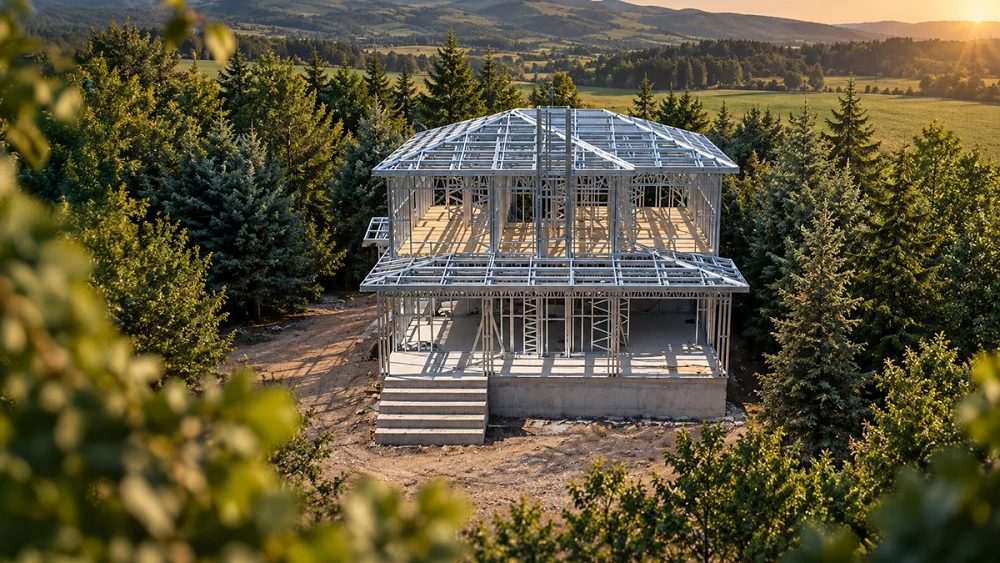
Light steel construction is not limited to individual houses.
Residential Buildings
LGS systems can be used for:
- Light steel houses
- Steel villas
- Single-family homes
- Two-storey residences
- Residential developments
- Housing projects
The architectural appearance can vary depending on the design, façade materials, roof system and interior specifications.
Commercial Buildings
Light steel systems can also be used for:
- Offices
- Commercial buildings
- Retail spaces
- Accommodation facilities
- Social facilities
- Service buildings
The appropriate structural system depends on the building's dimensions, use, site conditions and engineering requirements.
Large-Scale Projects
For larger developments, light steel construction can provide a structured relationship between design, production and site assembly.
Repetitive building components can be engineered and manufactured through a controlled production process, supporting project organization across multiple buildings or locations.
How Is a Light Steel Building Constructed?
A professional LGS project generally follows several connected stages.
1. Project Assessment
The project requirements, architectural concept, site conditions and intended building use are evaluated.
2. Architectural Design
The building layout, dimensions, spaces, façade and architectural details are developed according to project requirements.
3. Structural Engineering
Structural calculations determine the appropriate steel profiles, connections, bracing systems and other structural requirements.
4. Digital Modeling and Detailing
Engineering information is translated into detailed production data for the manufacturing process.
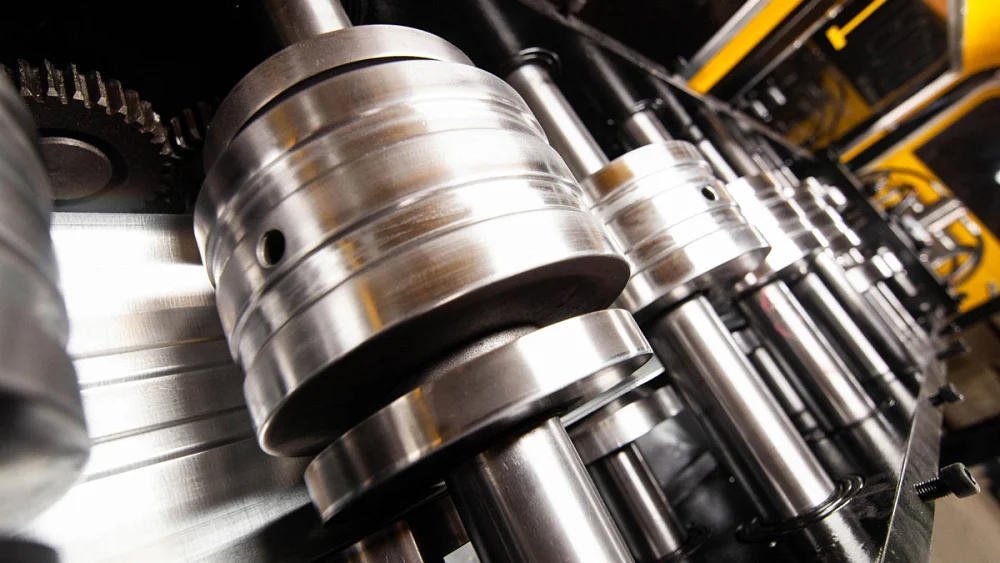
5. Precision Manufacturing
Steel profiles are produced according to the project-specific design using controlled manufacturing processes.
6. Transportation
Manufactured components are prepared and transported to the construction site according to the project logistics plan.
7. Assembly
Wall panels, floor systems and roof structures are assembled according to the engineering and installation requirements.
8. Building Envelope and Finishes
Insulation, sheathing, façade, roofing, interior systems and other construction components are completed according to the selected project scope.
9. Final Completion
The completed building is inspected and finalized according to the defined technical and construction requirements.
Why Engineering and Manufacturing Must Work Together
A professional light steel manufacturer does more than produce steel profiles.
The structural design must be translated into accurately manufactured components that can be assembled according to engineering requirements.
This creates a continuous process:
Design → Engineering → Manufacturing → Logistics → Assembly → Completion
The connection between these stages is one of the most important factors in a controlled LGS construction process.
What Should You Look for in a Light Steel Manufacturer?
When comparing a light steel construction company, looking only at the price per square metre can be misleading.
The complete technical scope should be evaluated.
Engineering Capability
Ask whether structural calculations are prepared specifically for the project and its location.
Manufacturing Technology
Consider where the steel profiles are produced, what manufacturing technology is used and how production quality is controlled.
Material Specifications
Review the specifications of:
- Galvanized steel
- Structural profiles
- Insulation
- Sheathing
- Roofing
- Exterior systems
- Interior systems
Standards and Certifications
Check which technical standards, quality systems and certifications apply to the manufacturer and its production process.
Installation
The quality of installation is an important part of the final building. The experience and technical capability of the installation team should therefore be considered.
Project Scope
A quotation should clearly define what is included.
Depending on the project, the scope may cover:
- Structural frame
- Closed shell
- Exterior finish
- Interior finish
- MEP systems
- Turnkey construction
Understanding the scope makes it easier to compare different proposals accurately.
Light Steel Construction for International Projects
International light steel projects require more than manufacturing steel components.
They may involve:
- Technical documentation
- Engineering coordination
- Production planning
- Packaging
- International logistics
- Installation planning
- Local project requirements
- Communication between project teams
For international developments, experience in coordinating engineering, manufacturing and logistics can be an important part of project delivery.
Light Steel House or Light Steel Villa?
The terms light steel house, light steel villa, steel house and LGS house are commonly used to describe residential buildings using light gauge steel structural systems.
However, the important point is not simply the name of the building.
A professionally developed project should be evaluated through its:
- Structural design
- Steel specifications
- Wall and roof systems
- Insulation
- Connections
- Manufacturing process
- Installation method
- Applicable standards
- Overall project scope
Different manufacturers may offer very different technical specifications under similar descriptions.
Why Choose TheoSteel?
TheoSteel approaches light steel construction as an integrated building system.
Our focus combines:
Engineering. Precision Manufacturing. Project Coordination. Construction.
Our light gauge steel solutions can be developed for residential, commercial and multi-building projects, with the level of manufacturing and construction adapted to project requirements.
From a light steel house to a large-scale residential development, each project begins with understanding its technical requirements and continues through controlled engineering and manufacturing processes.
Frequently Asked Questions
What does a light steel manufacturer do?
A light steel manufacturer engineers and/or produces structural steel components used in LGS buildings. Depending on the company, services may also include project coordination, transportation and construction.
How long does a light steel building take to construct?
The construction period depends on building size, design complexity, site conditions, manufacturing scope and finishing requirements. Factory production can help reduce structural work on site and create a more predictable construction sequence.
Can light steel be used for commercial buildings?
Yes. Depending on structural and architectural requirements, LGS systems can be used for offices, commercial buildings, accommodation facilities and larger developments.
How do I choose a light steel construction company?
Compare the complete technical scope rather than price alone. Consider engineering, steel specifications, manufacturing technology, certifications, insulation, connections, installation, references and the level of construction included.
Is light steel suitable for international projects?
Yes. Light steel systems can be used internationally, provided that the engineering, materials, standards, logistics and construction requirements are properly coordinated for the project location.
Building with Engineering and Precision
A successful light steel project is the result of many connected processes.
Engineering defines the system. Manufacturing creates the components. Logistics connects production to the site. Installation transforms the components into a complete building.
At TheoSteel, we bring these stages together to develop light gauge steel building solutions for residential, commercial and international projects.
Engineering. Manufacturing. Building.
Talk to TheoSteel About Your Project →